
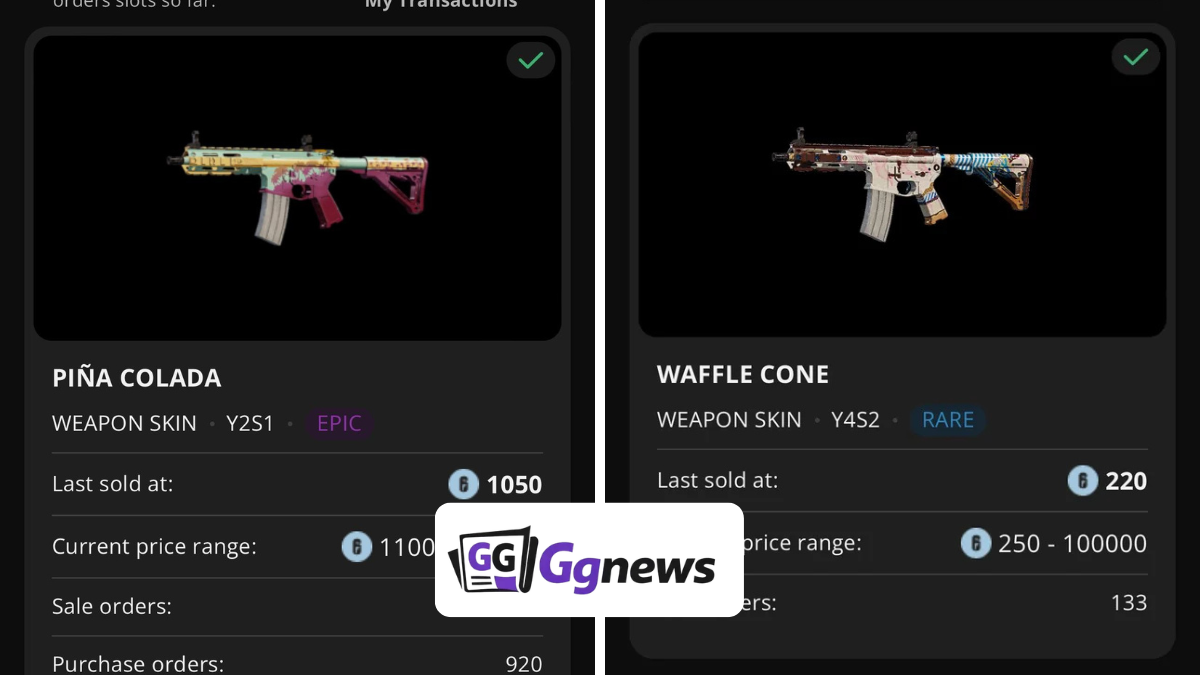
The modern gaming economy has transformed dramatically over the past decade. Digital ownership, in-game cosmetics, player-driven economies, and secondary trading systems have created entirely new ways for players to interact with their favorite games. Within this evolving landscape, the ubisoft marketplace has emerged as a concept frequently discussed among players interested in trading items, customizing gameplay experiences, and exploring new digital ownership models.
For fans of franchises from Ubisoft—including titles like Tom Clancy’s Rainbow Six Siege, Assassin’s Creed, and Far Cry—marketplace ecosystems represent an important bridge between game developers and player communities. These systems allow cosmetic items, skins, collectibles, and digital assets to circulate within structured platforms where players can buy, sell, or trade. Understanding how such a marketplace works reveals not only technical mechanics but also the broader economic and social shifts shaping modern gaming.
This comprehensive guide explores the structure, technology, benefits, challenges, and future of Ubisoft’s marketplace ecosystem. By examining the platform from multiple angles—player experience, digital economy design, security considerations, and industry trends—you will gain a complete understanding of how Ubisoft is shaping the next phase of online gaming economies.
The Evolution of Digital Game Economies
Video game economies once existed only inside the boundaries of individual games. Players could earn currency, unlock gear, or collect cosmetic items, but those assets rarely held value outside the immediate gameplay environment. Over time, however, player demand for ownership, trading flexibility, and collectible items began reshaping how developers approached in-game economies.
With the rise of digital platforms and account-based ecosystems, companies began experimenting with trading systems, player markets, and inventory systems. These innovations gradually laid the groundwork for the ubisoft marketplace, a framework designed to give players more agency over the items they acquire during gameplay.
Digital economies now resemble miniature financial systems. Players collect rare skins, seasonal cosmetics, and limited items that hold cultural value within gaming communities. By creating a structured marketplace environment, Ubisoft can facilitate item exchanges while maintaining security, fairness, and platform integrity.
Ubisoft’s Digital Ecosystem and Player Platforms
Before understanding how marketplace systems function, it is important to examine Ubisoft’s broader digital ecosystem. The company operates a unified platform called Ubisoft Connect, which integrates player profiles, achievements, rewards, and cross-game services across Ubisoft titles.
Through this unified account infrastructure, Ubisoft can manage player inventories, track item ownership, and enable controlled asset transfers between players. This infrastructure is what makes the ubisoft marketplace technically feasible and scalable.
Ubisoft Connect also allows the company to deliver rewards programs, seasonal events, and cross-game bonuses. Players who engage with multiple Ubisoft titles can accumulate cosmetics, points, or unlockable content, creating a larger interconnected ecosystem rather than isolated game economies.
Why In-Game Marketplaces Matter to Modern Gamers
Players increasingly expect control over their digital items. Whether it is a rare weapon skin, character outfit, or collectible item, gamers value the ability to manage and exchange these assets with others who share their interests.
The ubisoft marketplace concept addresses this expectation by creating a structured environment where digital items can circulate among players. Instead of items remaining permanently locked to a single account, marketplace systems introduce flexibility that enhances both player engagement and the perceived value of collectibles.
This shift also reflects broader trends in gaming culture. Competitive games, streaming communities, and esports environments all contribute to the prestige of rare cosmetic items. When items become symbols of status or personal identity within gaming communities, marketplaces naturally become part of the ecosystem.
Core Features of the Ubisoft Marketplace
A marketplace system must balance player freedom with platform security. Ubisoft’s approach focuses on enabling item trading while ensuring that transactions remain transparent and controlled.
The ubisoft marketplace typically revolves around several core features: item listings, digital inventory tracking, verified ownership records, and secure transaction systems. These components ensure that every item traded within the ecosystem can be authenticated and transferred safely.
Players browsing the marketplace can explore available listings, evaluate rarity levels, and compare cosmetic variations before making a purchase or exchange. This browsing experience mirrors digital marketplaces used for other virtual goods across the gaming industry.
Types of Items Available in Marketplace Systems
Digital marketplaces are not limited to gameplay advantages. In fact, most modern systems prioritize cosmetic and collectible items rather than competitive advantages to maintain fair gameplay.
Within the ubisoft marketplace, players typically encounter items such as weapon skins, character outfits, emblems, charms, seasonal cosmetics, and limited-edition collectibles. These items personalize gameplay experiences without altering core mechanics.
The variety of available items often grows with seasonal events, esports collaborations, and limited-time promotions. By releasing unique cosmetics tied to events or milestones, Ubisoft encourages long-term engagement and strengthens community participation.
Player Ownership and Digital Asset Control
One of the most interesting aspects of modern gaming economies is the concept of digital ownership. When players purchase or unlock items in a game, they expect those assets to remain tied to their accounts permanently.
The ubisoft marketplace introduces a dynamic layer to this ownership model. Players still retain ownership of items within their inventory, but they also gain the ability to transfer or exchange those assets through controlled marketplace mechanisms.
This flexibility enhances player autonomy. Instead of unused items remaining idle in an inventory, players can convert them into currency or trade them for other cosmetics that better suit their preferences.
Marketplace Design and User Experience
User experience plays a critical role in the success of digital trading platforms. A marketplace must remain easy to navigate, visually clear, and safe for transactions to encourage widespread adoption.
The design philosophy behind systems like the ubisoft marketplace emphasizes intuitive interfaces where players can filter items by rarity, popularity, price range, or release season. Clear visual previews help players evaluate cosmetics before committing to a transaction.
A well-designed marketplace also ensures that players understand transaction steps, pricing structures, and item conditions. Transparency builds trust, which is essential when digital items carry monetary value.
Security and Fraud Prevention Systems
Digital marketplaces inevitably attract risks such as account theft, unauthorized item transfers, or fraudulent listings. Because of these risks, strong security infrastructure is essential.
To protect users, the ubisoft marketplace relies on account verification systems, transaction logging, and secure authentication protocols integrated with Ubisoft Connect. These safeguards help ensure that only legitimate account holders can initiate trades or purchases.
Additional protections may include two-factor authentication, automated fraud detection, and suspicious activity monitoring. By combining technical safeguards with community reporting tools, Ubisoft can maintain a stable trading environment.
Economic Balance Within Games
Introducing player marketplaces into games requires careful economic balancing. If rare items become too common or too easy to trade, the prestige associated with those items may diminish.
The ubisoft marketplace therefore operates within carefully designed supply structures. Limited releases, seasonal cosmetics, and rarity tiers help maintain long-term value for collectible items.
Developers also monitor trading activity to ensure that marketplace dynamics do not disrupt the broader gameplay experience. Maintaining fairness is essential for competitive titles, especially those with strong esports communities.
Comparison With Other Gaming Marketplaces
Many game publishers operate marketplace systems that allow players to exchange cosmetic items or collectibles. Each platform approaches this ecosystem differently depending on game design and community needs.
The ubisoft marketplace shares similarities with platforms used by other publishers but often emphasizes curated trading environments and developer oversight. The table below illustrates how marketplace models compare across major ecosystems.
| Feature | Ubisoft Marketplace | Steam Community Market | Console Store Trading |
| Item Types | Cosmetics, skins, collectibles | Cosmetics and trading cards | Limited or none |
| Player-to-player trading | Yes (controlled) | Yes | Rare |
| Platform integration | Ubisoft Connect | Steam | Console ecosystem |
| Security systems | Account verification and authentication | Steam Guard | Platform accounts |
| Economy control | Developer-managed | Community-driven | Publisher-controlled |
This comparison highlights how marketplace design depends heavily on platform philosophy. Ubisoft tends to maintain a balance between player freedom and developer oversight.
Community Impact of Player Trading
Marketplaces inevitably influence gaming communities. When players can trade collectibles, entirely new social interactions emerge around rarity, value, and customization.
The ubisoft marketplace encourages players to participate in discussions about item value, cosmetic design, and collection strategies. Communities on forums, streaming platforms, and social media often analyze market trends or showcase rare inventory collections.
These social dynamics extend beyond simple trading. Players develop identities based on their in-game aesthetics, leading to creative expression and stronger community engagement.
Marketplace Influence on Esports Culture
Competitive gaming environments often amplify the visibility of cosmetic items. When professional players or popular streamers showcase unique skins or collectibles, those items quickly gain cultural significance.
Within Ubisoft’s competitive ecosystem, particularly around Tom Clancy’s Rainbow Six Siege esports, cosmetic items often reflect team collaborations, seasonal events, or esports partnerships. These collaborations naturally influence marketplace demand.
The ubisoft marketplace benefits from this visibility. When spectators admire cosmetics used by professional players, they often seek similar items to personalize their own gameplay experience.
The Role of Scarcity in Digital Collectibles
Scarcity remains a key factor in determining item value. When cosmetics are released in limited quantities or tied to specific events, they gain collectible status among players.
The ubisoft marketplace leverages scarcity through seasonal releases, event-based cosmetics, and time-limited bundles. These strategies create excitement around item availability and encourage players to participate in events.
Scarcity also enhances the long-term sustainability of the marketplace. When items maintain rarity, collectors remain motivated to trade, purchase, or showcase their inventories.
Monetization Strategies Behind Marketplace Systems
From a business perspective, marketplaces provide publishers with additional revenue opportunities beyond initial game sales.
The ubisoft marketplace can generate income through transaction fees, cosmetic item releases, and marketplace commissions. These revenue streams help fund ongoing game development, updates, and community support.
Importantly, cosmetic-based marketplaces avoid the controversial “pay-to-win” mechanics that have historically frustrated players. By focusing on visual customization rather than gameplay advantages, developers maintain competitive fairness.
Player Psychology and Cosmetic Value
Cosmetics may not affect gameplay mechanics, yet they often hold significant emotional value for players. Personalizing a character, weapon, or profile can enhance immersion and strengthen the player’s connection to the game world.
The ubisoft marketplace taps into this psychology by allowing players to curate their digital identity. Unique skins or rare collectibles become symbols of dedication, achievement, or personal style.
Gamers often spend hours customizing loadouts and character appearances. Marketplace systems expand these customization possibilities far beyond the base game.
Accessibility for New Players
New players entering a long-running game often worry about missing past cosmetic releases. Marketplace systems provide a solution by allowing older items to circulate among the player community.
Through the ubisoft marketplace, newcomers may have the opportunity to obtain previously released skins or collectibles from other players. This accessibility helps reduce the fear of missing out that sometimes accompanies limited-time content.
At the same time, rarity structures ensure that older items retain collectible prestige even when they reappear through player trading.
Marketplace Transparency and Pricing Dynamics
Pricing transparency is essential for any trading platform. Players must be able to evaluate item values before committing to purchases.
The ubisoft marketplace typically displays pricing history, listing ranges, and recent transaction trends to help users make informed decisions. These tools create a more predictable trading environment.
Market trends often emerge naturally within the community. Popular skins or event items may fluctuate in value depending on demand, rarity, or cultural significance within the player base.
Integration With Ubisoft’s Broader Game Catalog
Ubisoft’s portfolio spans multiple genres and franchises, ranging from open-world adventures to competitive tactical shooters.
Because of this diversity, the ubisoft marketplace has the potential to support multiple games simultaneously. Cross-game ecosystems allow players to maintain a single inventory environment tied to their Ubisoft account.
This unified structure simplifies digital asset management while strengthening the broader Ubisoft ecosystem. Players remain connected to the platform even as they explore different titles.
Industry Perspectives on Player Marketplaces
The gaming industry has increasingly embraced player marketplaces as a way to extend engagement and build long-term communities.
Industry analysts often point to marketplace ecosystems as a natural evolution of live-service gaming models. As one digital economy researcher explained:
“Player marketplaces represent the moment when gaming economies begin to resemble real digital marketplaces rather than closed reward systems.”
This perspective highlights why companies like Ubisoft continue experimenting with marketplace frameworks. These systems transform games into dynamic ecosystems rather than static products.
Misconceptions About Game Marketplaces
Despite their popularity, player marketplaces are sometimes misunderstood. Some players assume these systems create unfair advantages or disrupt gameplay balance.
In reality, the ubisoft marketplace focuses primarily on cosmetic items rather than competitive upgrades. This distinction ensures that gameplay skill remains the dominant factor in competitive environments.
Another misconception involves digital ownership. While players control items within their accounts, those assets still operate within the rules and technical framework established by the publisher.
The Technology Behind Marketplace Infrastructure
Running a large-scale marketplace requires sophisticated backend systems capable of tracking millions of digital assets.
The ubisoft marketplace relies on inventory databases, transaction ledgers, and authentication protocols integrated into Ubisoft Connect. These systems ensure that every item transfer is recorded and verifiable.
Scalability is also critical. As player bases grow, marketplaces must handle increased transaction volumes without sacrificing performance or reliability.
Marketplace Regulation and Policy Considerations
Digital trading systems must operate within clear policies to prevent abuse and maintain fair participation.
The ubisoft marketplace includes guidelines governing item listings, transaction behavior, and account activity. These policies help prevent manipulation, price fixing, or exploitative trading practices.
Moderation teams and automated monitoring tools enforce these guidelines to protect both players and the integrity of the marketplace ecosystem.
Player Communities and Marketplace Strategy
Dedicated player communities often shape marketplace dynamics more than developers themselves. Forums, fan sites, and streaming communities frequently analyze item values and predict trends.
The ubisoft marketplace benefits from this organic discussion. Community enthusiasm around cosmetics and collectibles drives trading activity and long-term interest.
These conversations also provide valuable feedback to developers. By observing marketplace trends, Ubisoft can better understand what types of items resonate with players.
The Future of Digital Item Economies
Gaming economies continue evolving as technology advances. Cloud gaming, cross-platform play, and digital ownership innovations are all influencing how marketplaces function.
The ubisoft marketplace may evolve to include deeper inventory systems, expanded trading capabilities, and integration with new digital technologies.
As gaming continues blending entertainment with digital economies, marketplaces will likely play an increasingly important role in shaping player experiences.
Conclusion
The rise of digital economies has fundamentally changed how players interact with games. Instead of static reward systems, modern gaming ecosystems increasingly revolve around collectible items, cosmetic customization, and community-driven trading.
The ubisoft marketplace represents Ubisoft’s participation in this broader transformation. By creating a structured platform where players can exchange digital items, Ubisoft enhances player agency while maintaining platform security and economic balance.
As gaming continues evolving toward interconnected digital ecosystems, marketplace systems will likely become even more central to player engagement. For fans of Ubisoft’s diverse game catalog, these systems offer new ways to personalize gameplay, participate in community economies, and experience games beyond traditional boundaries.
FAQ
What is the Ubisoft marketplace?
The ubisoft marketplace refers to a digital ecosystem where players can buy, sell, or trade in-game cosmetic items and collectibles associated with Ubisoft titles.
Which games support the Ubisoft marketplace?
The ubisoft marketplace is primarily connected to games within Ubisoft’s online ecosystem, particularly titles linked to Ubisoft Connect and live-service multiplayer environments.
Are items in the Ubisoft marketplace pay-to-win?
No. The ubisoft marketplace typically focuses on cosmetic items such as skins or charms, meaning purchases do not provide gameplay advantages.
How do players access the Ubisoft marketplace?
Players access the ubisoft marketplace through their Ubisoft account infrastructure, often connected to Ubisoft Connect and supported games.
Is the Ubisoft marketplace safe for trading?
The ubisoft marketplace uses account security systems, authentication tools, and transaction tracking to ensure safe and transparent item exchanges.