
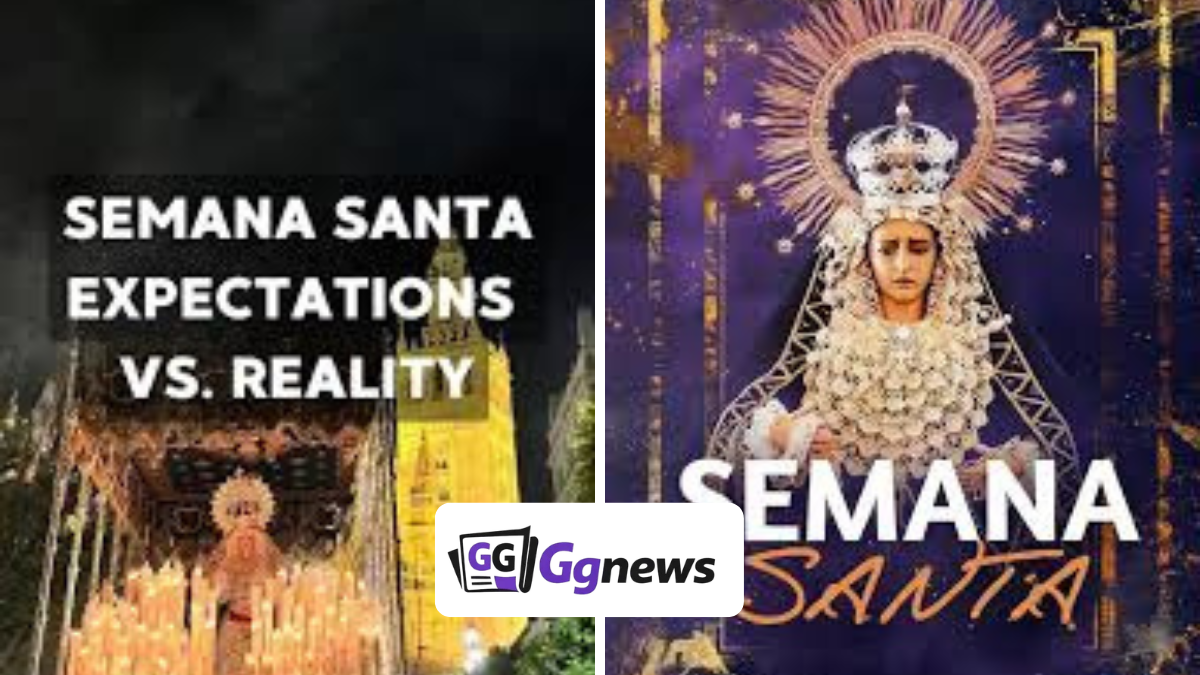
Semana Santa 2026 will be one of the most spiritually significant and culturally vibrant periods of the year, uniting millions of people across continents in faith, reflection, and tradition. From solemn liturgical ceremonies to elaborate street processions and major travel movements, Holy Week represents both sacred observance and powerful cultural identity. Whether you are planning a pilgrimage, organizing family travel, researching liturgical calendars, or exploring heritage festivals, this guide delivers everything you need to understand and prepare for Semana Santa 2026 with clarity and confidence.
Official Dates and Liturgical Calendar for Semana Santa 2026
Semana Santa 2026 begins on Palm Sunday, March 29, 2026, and concludes on Easter Sunday, April 5, 2026. These dates are determined by the ecclesiastical calculation of Easter, which falls on the first Sunday after the first full moon following the spring equinox.
The week includes Holy Thursday (April 2), Good Friday (April 3), Holy Saturday (April 4), and culminates in Easter Sunday. Because these dates fall early in April, Semana Santa 2026 will influence spring travel, school breaks, tourism demand, and religious programming across Catholic-majority countries and beyond.
Religious Significance and Theological Meaning
Semana Santa commemorates the Passion, death, and resurrection of Jesus Christ, marking the most sacred week in the Christian liturgical calendar. It begins with the triumphant entry into Jerusalem and progresses through the Last Supper, Crucifixion, and ultimately the Resurrection celebrated on Easter Sunday.
The week is rooted in centuries of theological reflection and liturgical development within the Roman Catholic Church and other Christian traditions. For practicing believers, Semana Santa 2026 is not merely symbolic; it is a time of fasting, confession, prayer, and spiritual renewal centered on redemption and hope.
How Semana Santa 2026 Is Calculated
The timing of Semana Santa changes each year because Easter follows a lunar-based calculation formalized at the Council of Nicaea in 325 AD. Easter is observed on the first Sunday after the Paschal Full Moon, which can occur between March 22 and April 25.
In 2026, the Paschal Full Moon falls in late March, positioning Semana Santa 2026 toward the earlier part of the possible calendar range. This early placement affects school holidays, flight pricing trends, and regional tourism planning across Europe and Latin America.
Semana Santa 2026 in Spain
In Spain, Semana Santa is one of the most iconic cultural and religious observances of the year. Cities such as Seville, Málaga, Granada, and Valladolid transform into dramatic stages for processions organized by centuries-old brotherhoods known as cofradías.
Massive pasos depicting biblical scenes are carried through narrow streets accompanied by penitents in traditional robes and pointed hoods. Semana Santa 2026 in Spain will likely draw record tourism, especially given the global resurgence of experiential religious travel.
Semana Santa 2026 in Mexico
In Mexico, Holy Week blends Catholic devotion with Indigenous heritage and vibrant community participation. Cities like Taxco, San Luis Potosí, and Iztapalapa host deeply moving reenactments of the Passion.
Iztapalapa’s Good Friday performance is one of the largest in the world, involving thousands of participants and drawing millions of spectators. For travelers, Semana Santa 2026 in Mexico offers both spiritual immersion and complex logistics, as many locals travel to beaches and resorts during this national holiday period.
Semana Santa 2026 in Latin America
Across Latin America, countries including Guatemala, Peru, Colombia, and El Salvador celebrate Semana Santa with unique regional expressions.
In Antigua, Guatemala, elaborate alfombras made from colored sawdust decorate the streets before processions pass over them. In Peru, highland communities blend Catholic rites with Andean symbolism, making Semana Santa 2026 an extraordinary example of syncretic tradition.
Economic Impact and Travel Demand
Semana Santa is one of the busiest travel seasons in Spanish-speaking countries. Airlines, hotels, and tour operators experience peak demand comparable to summer holiday periods, particularly for coastal destinations and historic cities.
For Semana Santa 2026, early booking strategies will be essential. Travel demand typically spikes six to nine months in advance, and pricing models often follow predictable seasonal curves influenced by Easter timing.
Detailed Travel Planning Table for Semana Santa 2026
Below is a strategic comparison table to support planning decisions:
| Destination Type | Religious Immersion | Cultural Spectacle | Beach Tourism | Crowds Level | Booking Recommendation |
| Southern Spain | Very High | Very High | Low | Extremely High | 6–9 months early |
| Central Mexico | High | Very High | Medium | Very High | 4–6 months early |
| Caribbean Coast | Low | Medium | Very High | High | 3–6 months early |
| Andean Cities | High | High | Low | Moderate | 3–5 months early |
| Small Local Towns | Moderate | Moderate | Low | Low | 1–3 months early |
This breakdown helps travelers align priorities whether seeking solemn devotion or leisure travel during Semana Santa 2026.
Cultural Traditions and Symbolism
Semana Santa processions often include statues representing the Virgin Mary and scenes of the Passion, carried by teams of costaleros. Music, incense, and candlelight create an atmosphere of reverence that blends theatrical scale with spiritual intimacy.
Many communities observe fasting traditions, abstaining from meat on Good Friday. Foods such as torrijas in Spain and capirotada in Mexico reflect culinary expressions tied to Lenten symbolism.
Modern Trends Shaping Semana Santa 2026
Digital media has transformed how people experience Holy Week. Livestreamed processions, social media storytelling, and drone footage have globalized access to local traditions.
At the same time, sustainability concerns are influencing event planning. Municipal authorities increasingly implement crowd management systems, eco-friendly candle alternatives, and heritage preservation initiatives ahead of.
Safety, Logistics, and Crowd Management
Major cities coordinate extensive security and transportation plans during Holy Week. Road closures, pedestrian-only zones, and emergency services are heightened to manage large gatherings.
Travelers should anticipate limited vehicle access in historic centers. Booking accommodations within walking distance of procession routes can significantly improve the Semana Santa 2026 experience.
Family Participation and Educational Value
For families, Semana Santa serves as both religious education and cultural immersion. Children often participate in Palm Sunday activities and community services.
Schools in many Catholic-majority countries close for the week, making a key moment for intergenerational tradition and travel planning.
Spiritual Reflection and Personal Renewal
Beyond public spectacle, Holy Week invites personal contemplation. Many believers attend the Stations of the Cross and participate in confession and silent vigils.
As one parish priest in Seville once said, “Semana Santa is not something you watch; it is something you enter.” This captures the immersive quality that defines Semana Santa 2026 for millions worldwide.
Common Misconceptions About Semana Santa
Some assume Semana Santa is merely a festival or tourist attraction. In reality, it remains primarily a religious observance grounded in centuries of Catholic doctrine.
Another misconception is that all celebrations are identical. In truth, Semana Santa 2026 will look dramatically different depending on geography, history, and local devotion.
Weather Expectations During Semana Santa 2026
Because Holy Week falls in early spring, weather conditions vary widely. Southern Europe typically experiences mild temperatures, while Andean regions may see cooler evenings.
Weather unpredictability adds both charm and complexity. Travelers attending should prepare for variable spring conditions, particularly in historic cities with outdoor processions.
Conclusion: Why Semana Santa 2026 Matters Globally
Semana Santa 2026 represents far more than a holiday period. It is a convergence of faith, heritage, economic movement, artistic expression, and collective memory. From Spain’s grand processions to Latin America’s community reenactments, Holy Week continues to shape identities and inspire spiritual reflection across generations.
For travelers, planners, and observers alike, understanding the timing, traditions, logistics, and deeper meaning of Semana Santa 2026 ensures a richer and more meaningful experience.
Frequently Asked Questions
When does Semana Santa 2026 start and end?
Semana Santa 2026 begins on March 29, 2026 (Palm Sunday) and ends on April 5, 2026 (Easter Sunday), following the ecclesiastical calculation of Easter.
Why does Semana Santa 2026 change dates every year?
The dates shift because Easter is determined by the lunar calendar, which places Semana Santa 2026 in early spring rather than on a fixed date.
Which countries celebrate Semana Santa most prominently?
Spain, Mexico, Guatemala, Peru, and Colombia are among the countries where Semana Santa 2026 will feature large-scale public processions and strong cultural participation.
Is Semana Santa 2026 a public holiday?
In many Catholic-majority countries, Holy Thursday and Good Friday during Semana Santa 2026 are official public holidays.
How early should I book travel for Semana Santa 2026?
Booking flights and hotels at least six months in advance is recommended for high-demand destinations during Semana Santa 2026.